

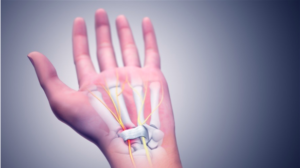
When you have constant pain, numbness and tingling in your arm and hand, with the pain gradually getting worse, this can be Carpal Tunnel Syndrome. Carpal Tunnel Syndrome occurs when one of them main nerves in the hand gets compressed or squeezed and causes pain and discomfort in the arm, wrist or hand and all three. This nerve can be seen as the median nerve. This median nerve runs along with arm down the forearm, through the carpal tunnel and into the hand. The carpal tunnel can be seen as a small restricted tunnel that is about 2.5 cm wide in size and is positioned in the wrist. The median nerve runs through this tunnel on the way to the hand. This tunnel is made up of the bones of the wirst, connective tissue as well as the transverse carpal ligament, because of the composition of the carpal tunnel it does not have much leeway to stretch. This lack of stretch or ability to increase in size becomes the problem in Carpal Tunnel Syndrome, because when the tunnel gets narrowed or when swelling in the tissues surrounding the median nerve as well as the flexor tendons occurs, there is no space for them to conduct their ‘business’, this is when the pain and discomfort occurs.
There are a number of causes that can factor into someone getting Carpal Tunnel Syndrome:
There are a number of symptoms associated with Carpal Tunnel Syndrome the main ones can be seen as:
Treatment
The pain, tingling and numbness may start off gradually and then disappear but it is likely to worsen over time and affect activities of daily living. Seeking a doctor’s diagnosis, advice and treatment plan is the best way to start the process. Depending on the severity of the syndrome will depend on what treatment will be best. Some of the treatments can be seen as:
Biokineticist’s have worked with and assisted many clients with Carpal Tunnel Syndrome and if you are a sufferer we could assist you with an exercise program to help prevent any possible surgery.