

Cervicogenic Vertigo

Cervicogenic vertigo is a term used to describe dizziness or vertigo (a sensation of spinning or unsteadiness) that is believed to originate from issues in the cervical spine, which is the portion of the spine located in the neck.

There could be many reason as to why you may be experiencing this, and these are the following:

  1. Cervical Spondylosis – This is a degenerative condition of the spine which can result in changes to the vertebral discs and joints, leading to nerve compression, affecting blood flow or proprioception, potentially causing dizziness.
  2. Whiplash injuries – Trauma to the neck, such as in a car accident or sports injury, can lead to cervical spine issues that might result in dizziness.
  3. Cervical Artery Dissection – In rare cases, a tear in one of the arteries that supplies blood to the brain can occur due to neck movement, this can lead to dizziness and other symptoms.
  4. Cervical instability – It is believed that excessive movement or instability of the cervical spine can potentially lead to cervicogenic  vertigo.


It is essential for individuals experiencing dizziness or vertigo, especially if it is suspected to be related to the neck to seek medical attention, to determine the cause and then the subsequent required treatment.


How a Biokinetic rehabilitation and exercise program can help: 
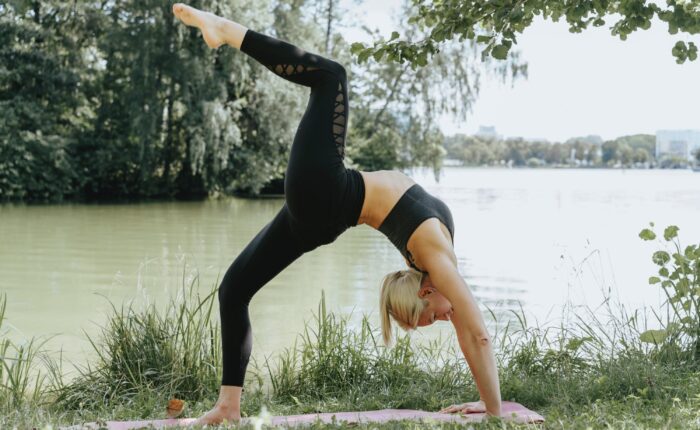
  1. Strengthening of neck muscles – Specific neck and shoulder exercises can help strengthen the muscles in the cervical region, providing better support and stability. This can reduce the strain on the neck and potentially alleviate symptoms.
  2. Improve posture – Poor posture is often a contributing factor to cervicogenic vertigo. Exercise can help improve posture and reduce strain in neck, which can in turn reduce dizziness and balance.
  3. Enhancing balance and coordination – Exercise that focuses on balance and coordination, can be beneficial for individuals with cervicogenic vertigo, these exercise can improve your overall balance, which may reduce the severity and frequency of vertigo episodes.
  4. Promoting blood flow – Regular physical activity increase blood circulation throughout the body, including the cervical region. Improved blood flow can potentially aid in healing and reduce symptoms of cervicogenic vertigo.
  5. Stress reduction – Exercise is known to reduce stress and anxiety, which can contribute to the severity of vertigo symptoms. Stress reduction techniques, such as relaxation exercises and mindfulness, can be integrated into a exercise routine to help manage symptoms.

Related Posts