Alzheimer’s is classified as a type of dementia. It causes problems with the person’s memory, behavior and thinking pattern. Symptoms for Alzheimer’s usually develops slowly and get worse over time. It can become severe enough to interfere with daily tasks and routine. Alzheimer’s worsens over time and is seen as a progressive disease where dementia signs and symptoms gradually worsen over a number of years. There is no current cure for Alzheimer’s but treatments for the symptoms are available.
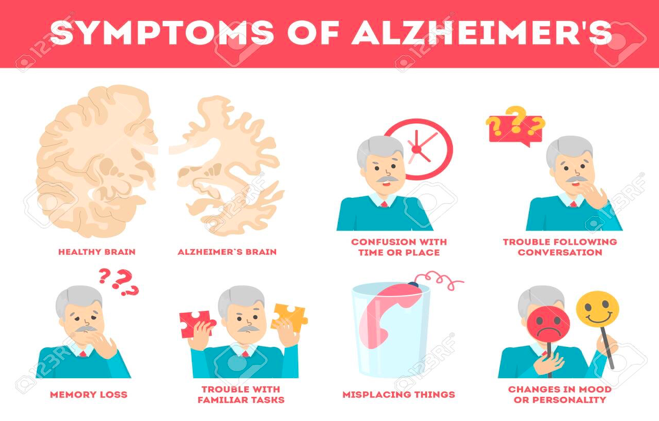
The most common symptom for Alzheimer’s is forgetting newly learned information. It starts in the area of learning in the brain, which makes it difficult to remember new things. As it progresses through the brain it leads to more severe symptoms such as:
People with Alzheimer’s might find it initially hard to recognize they have a problem. Signs of early dementia would be more obvious to family and friends.
Stage 1: No Impairment
In this stage Alzheimer’s is not detectable and there’s no memory loss or any symptoms related to dementia
Stage 2: Very Mild Decline
Minor memory problems may exist or losing things around the house, but not as severe as in memory loss. The person will still have good results on a memory test and it’s unlikely that they will detect the disease.
Stage 3: Mild Decline
Family and friends may notice cognitive problems. Impaired cognitive function may be detected by physicians through memory tests. People in this stage will have difficulty with the following:
Stage 4: Moderate Decline
Clear-cut symptoms of the disease are apparent. People in this stage will show the following:
Stage 5: Moderately Severe Decline
In this stage they will begin to need help with a lot of daily activities. They still maintain functionality. They still know and recognize family and will remember things from their childhood and youth. They will experience the following:
Stage 6: Severe Decline
They need constant supervision in this stage. Usually they will require professional care to help out. Symptoms will include the following:
Stage 7: Very Severe Decline
This is called the final stage of Alzheimer’s. The disease is known as a terminal illness, once people reached stage 7, they’re nearing death. They lose their ability to communicate or respond to their surroundings. They are still able to utter words and phrases, but they need assistance with all their daily activities. They may also lose their ability to swallow.
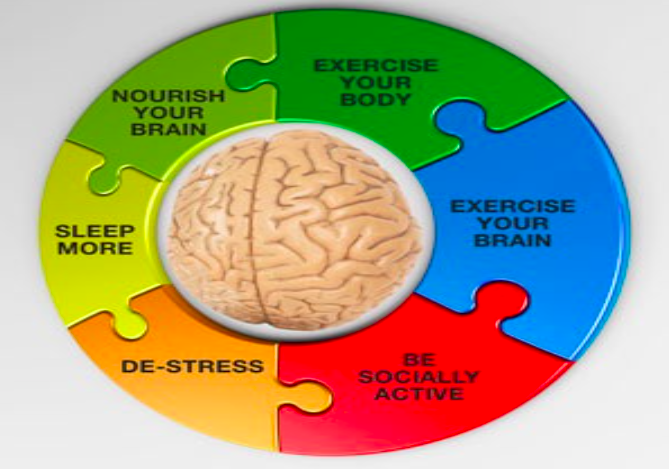
Exercising four or five times a week may delay the progression of Alzheimer’s disease in people who already have toxic buildups of beta-amyloid protein. Exercise have many good benefits. They include decreasing the risk of cardiovascular diseases and diabetes, strengthening of the bones and muscles and decreasing stress. It also appears that regular exercises benefit the brain, not by just keeping the blood flow but also helping to increase the chemicals that protects the brain. Exercise also tends to counter some of the natural decrease in the brain connections that comes with aging. However, regular physical activity is important and good to stay physically and mentality fit.